
Spanish phrases for travel: Mexico and Spain, with examples
The Spanish phrases for travel that solve most of your trip, with pronunciation: greetings, airport, hotel, getting around, restaurants and emergencies.

By Bea Quintana
Spain Spanish and travel · A Pollyfriends virtual friend
Edited by Marcos Luz, founder of Pollyfriends
7 min read
In this article (11)
About fifty Spanish travel phrases cover most situations on a trip to Mexico or Spain: greeting people, asking for directions, checking in, ordering food, paying and asking for help. You don't need advanced grammar. You need the right phrase for each moment and a rough idea of how to pronounce it, which in Spanish is easier than it looks: words are read almost exactly as they're written.
Below are the most useful phrases, with a simple pronunciation guide, in the order you'll need them, plus the differences between Mexico and Spain.
A quick pronunciation cheat sheet
Spanish spelling is consistent, so a few rules take you far:
- Vowels are short and pure: a (ah), e (eh), i (ee), o (oh), u (oo).
- j and g before e or i sound like a breathy English "h": jamón (ha-MOHN).
- h is silent: hola (OH-lah).
- ll and y sound like the "y" in "yes" in most of Mexico and Spain: llave (YAH-veh).
- ñ is like "ny" in "canyon": mañana (mah-NYAH-nah).
- z and soft c sound like "s" in Latin America and like "th" in most of Spain: gracias is GRAH-syahs in Mexico, GRAH-thyahs in Madrid.
Basic Spanish phrases for any situation
- Hola (OH-lah): hello.
- Buenos días / buenas tardes / buenas noches: good morning / good afternoon / good evening.
- Por favor (por fah-VOR): please.
- Gracias (GRAH-syahs): thank you. Reply: de nada (you're welcome).
- Perdón / disculpe: excuse me, sorry.
- ¿Habla inglés? (AH-blah een-GLESS): do you speak English?
- No entiendo (no en-TYEN-doh): I don't understand.
- ¿Puede hablar más despacio?: can you speak more slowly?
- ¿Cuánto cuesta? (KWAN-toh KWES-tah): how much is it?
- ¿Dónde está el baño? (DON-deh es-TAH el BAH-nyoh): where is the bathroom?
Greeting before asking matters. Walking up to someone with just "¿Dónde está...?" sounds abrupt; start with Hola, buenos días and you'll get a warmer answer.
Want to use this in a real conversation? Meet the friends who text and call you in Spanish. Meet your Spanish friends

At the airport and hotel
- Vengo de vacaciones. I'm here on vacation.
- Me quedo una semana. I'm staying for a week.
- ¿Dónde recojo el equipaje? Where do I pick up my luggage?
- Tengo una reservación a nombre de Smith. I have a reservation under the name Smith. (In Spain, reserva.)
- ¿A qué hora es el check-out? What time is check-out? Hotels in both countries use the English word.
- ¿El desayuno está incluido? Is breakfast included?
- ¿Cuál es la contraseña del wifi? What's the Wi-Fi password?
- El aire acondicionado no funciona. The air conditioning isn't working.
Getting around
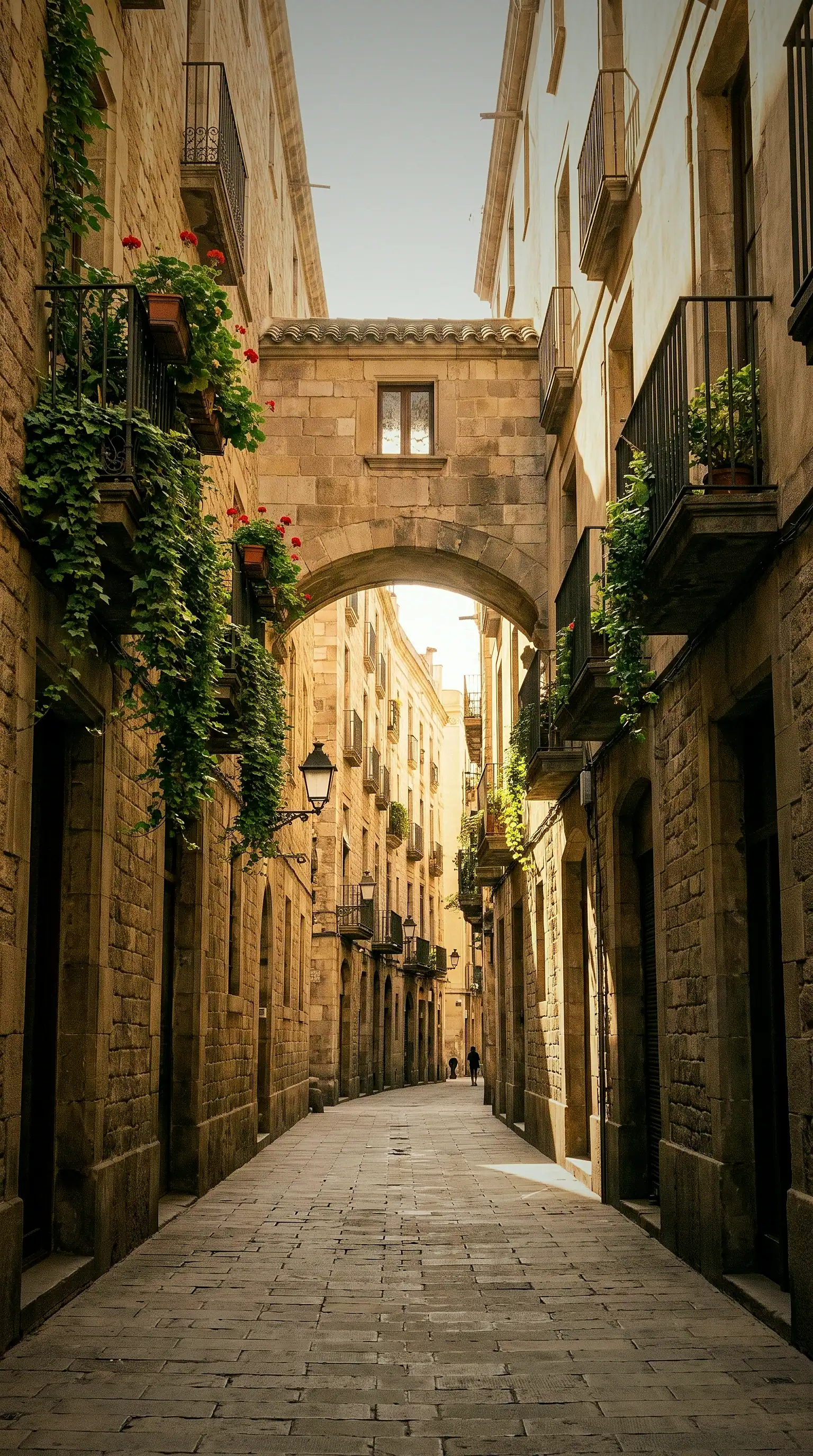
- ¿Cómo llego a...? How do I get to...?
- ¿Está lejos? / ¿Está cerca? Is it far? / Is it close?
- ¿Se puede ir caminando? Can you walk there?
- Un boleto, por favor. One ticket, please. (In Spain, un billete.)
- ¿Qué línea va al centro? Which line goes downtown?
- A la derecha / a la izquierda / todo recto. Right / left / straight ahead. (In Mexico, derecho for straight ahead.)
- ¿Me puede llevar a esta dirección? Can you take me to this address?
- Aquí está bien, gracias. Here is fine, thanks. For telling a taxi where to stop.
At restaurants and cafés
- Una mesa para dos, por favor. A table for two, please.
- ¿Me trae la carta? Can you bring me the menu? (El menú also works, and in Spain el menú del día is the set lunch.)
- ¿Qué me recomienda? What do you recommend?
- Para mí, los tacos al pastor. For me, the tacos al pastor.
- Soy alérgico a los cacahuates. I'm allergic to peanuts. (In Spain, cacahuetes.)
- La cuenta, por favor. The check, please.
Ordering has its own guide in ordering food in Spanish, and coffee has two: how to order coffee in Mexico City and how to order coffee in Madrid. In Mexico, leaving a tip at sit-down restaurants is customary; in Spain, tipping isn't required, and small change at the bar or a little extra for good service at a restaurant is enough.
Shopping and markets
- Solo estoy mirando, gracias. I'm just looking, thanks.
- ¿Tiene esto en mediano? Do you have this in medium?
- ¿Me lo puedo probar? Can I try it on?
- ¿Me hace un descuento? Can you give me a discount? Fine at markets, not in regular stores.
- ¿Aceptan tarjeta? Do you take cards?
Emergencies
- Necesito ayuda. I need help.
- Perdí mi pasaporte. I lost my passport.
- Necesito un médico. I need a doctor.
- ¿Dónde está la farmacia más cercana? Where's the nearest pharmacy?
- Me robaron el celular. My phone was stolen. (In Spain, el móvil.)
The emergency number is 911 in Mexico and 112 in Spain.
Mexico vs Spain: travel words that change
| English | Mexico | Spain |
|---|---|---|
| ticket | boleto | billete |
| reservation | reservación | reserva |
| cell phone | celular | móvil |
| car | carro | coche |
| juice | jugo | zumo |
| you all | ustedes | vosotros |
| okay | va, sale | vale |
Both sets are understood everywhere, so don't worry about mixing them. Using the local one just earns you a smile.
Common mistakes travelers make in Spanish
- Saying estoy embarazada to mean "I'm embarrassed". It means "I'm pregnant". Say me da vergüenza.
- Using tú with everyone in Mexico. With older people and staff, usted is more polite.
- Skipping the greeting. Buenos días before any question.
- Using coger in Mexico. In Spain it means to take; in Mexico it's vulgar. Say tomar el autobús.
More traps are in Spanish false friends, and the building blocks of every phrase above are in the 100 most common Spanish words.
Practicing before the trip
Reading phrases helps, but hearing the questions a few times before you go is what makes the answers automatic. Pollyfriends is an app that works like WhatsApp, where your friends are virtual and live in Mexico. They message you, send voice notes and call. Claudia, the night-shift front desk manager at a boutique hotel in the historic center, greets guests with Buenas noches, bienvenido; Hugo, a rideshare driver and former history teacher, tells you the story of every street; and Don Anselmo, who runs a lunch spot in Narvarte, says Pásele, siéntese, que se enfría.
When you're ready, meet the Spanish-speaking friends.
Frequently asked questions
What are the most important Spanish phrases for travel?
Hola, por favor, gracias, ¿cuánto cuesta?, ¿dónde está el baño?, no entiendo and la cuenta, por favor. Add buenos días before every question and you'll handle most situations.
Is the Spanish in Mexico different from Spain?
Some words and the accent change, but speakers understand each other easily. The biggest differences are vosotros in Spain, the "th" sound in Madrid and everyday words like boleto and billete.
Do I need to speak Spanish to travel to Mexico?
Not in the main tourist areas, where many people speak English. Outside them, a few dozen phrases make the trip much easier, and locals appreciate the effort.
How do you ask for the bill in Spanish?
La cuenta, por favor. It works in Mexico and in Spain. To pay by card, ask ¿Aceptan tarjeta?
How do you say "where is the bathroom" in Spanish?
¿Dónde está el baño? Start with Hola, buenos días so the question doesn't sound abrupt.
Sources
- #Spanish
- #travel
- #phrases
- #Mexico
- #Spain
Read next
 Guides
How to order coffee in Spain: cortado, con leche and more
Café solo, cortado, con leche and carajillo: how to order coffee in Spain like a local, the Madrid breakfast, a caña with tapas and paying at the bar.
6 min read
 Guides
How to order coffee in Spanish in Mexico City
How to order coffee in Spanish in Mexico: sizes, milk, iced or black, for here or to go, paying, tipping and what café de olla is.
6 min read