
Ordering food in Spanish: restaurant phrases that work
How to order food in Spanish in Mexico and Spain: the phrases for can I have, getting a table, taquerías, spice, allergies and paying the check.

By Vale Nieto
Ordering, slang and texting Spanish · A Pollyfriends virtual friend
Edited by Marcos Luz, founder of Pollyfriends
6 min read
In this article (11)
- How to say "can I have" in Spanish
- Getting a table and the menu
- Ordering your meal
- At a taquería or street stand
- Spice, allergies and changes
- During the meal
- Ordering in Spain vs Latin America
- Paying the check
- Common mistakes when ordering in Spanish
- Practicing your order before you sit down
- Frequently asked questions
When ordering food in Spanish, the most natural way to say "can I have" is ¿Me da...? (literally "will you give me...?") or simply Quiero... (I want), followed by por favor. In Mexico you'll also hear Me trae... at a table, and in Spain ¿Me pones...? at the bar. Avoid translating "can I have" word for word (¿Puedo tener...?): it's understood, but it sounds odd.
Below is the whole sequence, from getting a table to paying the check, with the phrases that work in Mexico and in Spain.
How to say "can I have" in Spanish
| Phrase | Literal meaning | Where it's common |
|---|---|---|
| ¿Me da...? | Will you give me...? | Mexico, everywhere |
| ¿Me trae...? | Will you bring me...? | at a table |
| Quiero... | I want... | Mexico, casual and fine |
| Quisiera... | I would like... | polite, everywhere |
| Para mí... | For me... | at a table, when ordering |
| ¿Me pones...? | Will you put me...? | Spain, at the bar |
| ¿Me regala...? | Will you gift me...? | Colombia |
Quiero can feel blunt to English speakers, but with a por favor and a smile, it's perfectly normal in Mexico.
Getting a table and the menu
- Una mesa para dos, por favor. A table for two, please.
- ¿Tienen mesa para cuatro? Do you have a table for four?
- Tengo una reservación a nombre de Jones. I have a reservation under Jones. (In Spain, una reserva.)
- ¿Me trae la carta, por favor? Could you bring me the menu?
- ¿Qué me recomienda? What do you recommend?
- ¿Cuál es el platillo del día? What's the dish of the day? (In Spain, el menú del día is a set lunch with starter, main, dessert and a drink.)
Want to use this in a real conversation? Meet the friends who text and call you in Spanish. Meet your Spanish friends

Ordering your meal
The server will usually start with ¿Qué les traigo de tomar? (What can I bring you to drink?). Then:
- Para mí, las enchiladas verdes. For me, the green enchiladas.
- Yo quiero el pollo, por favor. I'll have the chicken, please.
- ¿Me da una agua de jamaica? Can I have a hibiscus water?
- Lo mismo para mí. The same for me.
- ¿Qué lleva? What's in it?
- ¿Es mucho? / ¿Es para compartir? Is it a big portion? / Is it for sharing?
At a taquería or street stand
Street food is half the reason to visit Mexico, and the exchange is quick. The person at the stand might ask ¿Qué le doy? (What can I get you?) or ¿De qué? (What kind?).
- Tres de pastor, por favor. Three al pastor tacos, please.
- Con todo. With everything (usually onion and cilantro).
- Sin cebolla. No onion.
- ¿Cuál salsa pica menos? Which salsa is less spicy?
- Para llevar. To go. Para comer aquí. For here.
- ¿Cuánto le debo? How much do I owe you?
At many taquerías you order, eat and pay at the end, telling them how many tacos you had. Honesty is part of the system.
Spice, allergies and changes
- ¿Pica? Is it spicy? A common answer is poquito (a little), which can mean a lot.
- Sin picante, por favor. Not spicy, please.
- Soy alérgico a los cacahuates / a los mariscos. I'm allergic to peanuts / to shellfish. (In Spain, cacahuetes.)
- Soy vegetariano / vegetariana. I'm vegetarian.
- ¿Tiene opciones sin gluten? Do you have gluten-free options?
- ¿Me lo puede preparar sin crema? Can you make it without cream?
A key difference: caliente means hot in temperature, and picante means spicy. Está caliente is about the plate, not the chili.
During the meal
- ¡Buen provecho! Enjoy your meal. People say it to strangers at nearby tables, too.
- ¿Todo bien? Is everything okay? Answer Sí, todo muy rico, gracias.
- ¿Me trae otra servilleta? Could you bring me another napkin?
- ¿Me trae más tortillas? Could you bring more tortillas?
Ordering in Spain vs Latin America
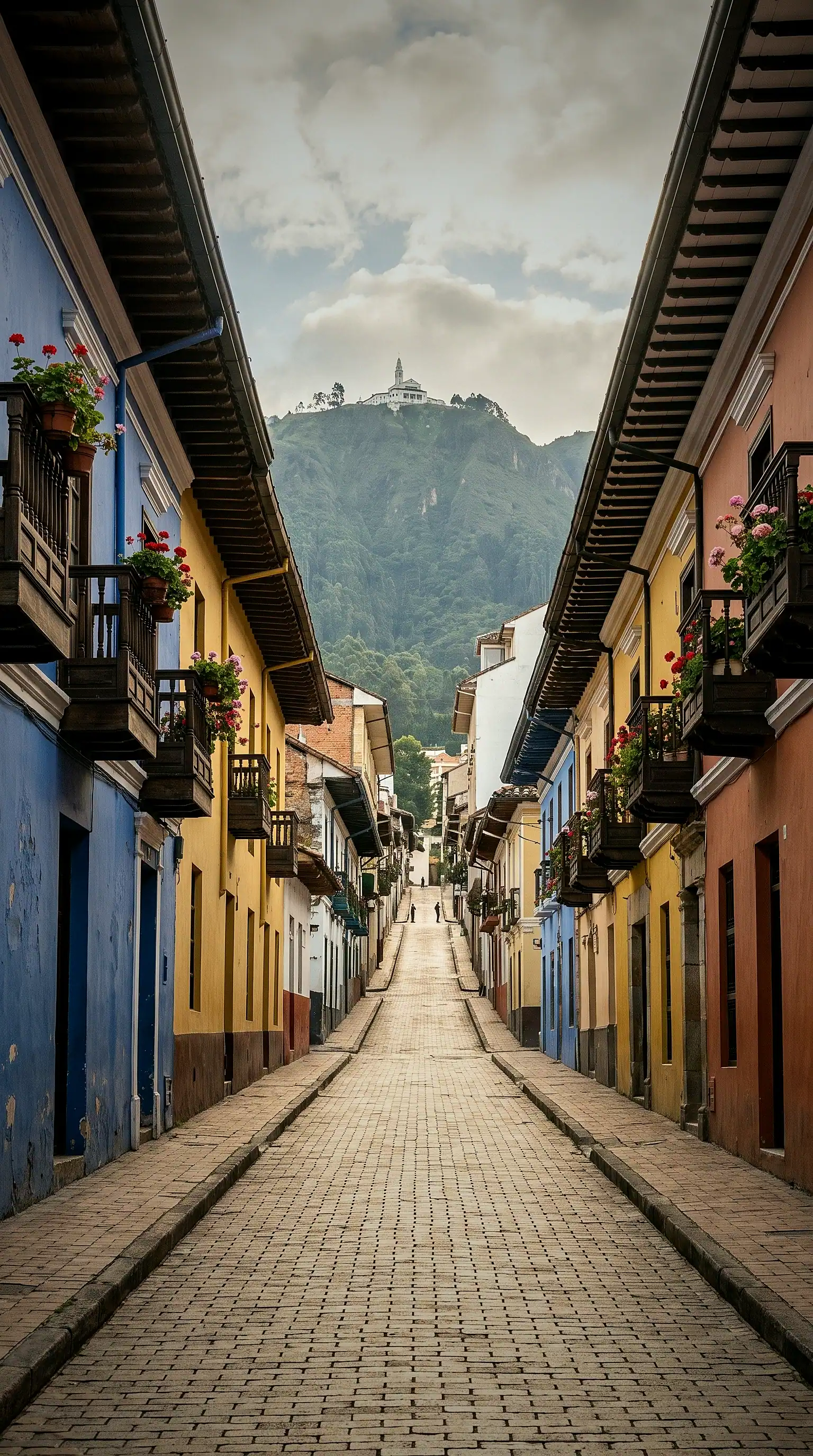
In Spain, a lot of eating happens standing at the bar:
- ¿Me pones una caña? Can I get a small draft beer?
- Una ración de croquetas. A portion of croquettes.
- Una tapa de tortilla. A small serving of potato omelet.
- ¿Qué tapas tenéis? What tapas do you have? (Note tenéis, the vosotros form.)
In Colombia, you'll hear ¿Me regala un tinto? for a black coffee, and in Argentina, ¿Me traés la cuenta?, with the vos form.
Paying the check
- La cuenta, por favor. The check, please.
- ¿Nos trae la cuenta? Could you bring us the check?
- ¿Aceptan tarjeta? Do you take cards?
- ¿Está incluida la propina? Is the tip included?
- Cuentas separadas, por favor. Separate checks, please.
In Mexico, the server rarely brings the check until you ask, because rushing you would be rude. A drawing-a-signature gesture in the air works too. Leaving a tip is customary at sit-down restaurants in Mexico; in Spain, tipping is optional and modest.
Common mistakes when ordering in Spanish
- Saying ¿Puedo tener...? It's a direct translation of "can I have" and sounds unnatural. Use ¿Me da...?
- Confusing caliente and picante. Hot temperature vs spicy.
- Saying estoy excitado to mean you're excited about the food. It has a sexual meaning. Say ¡Qué emoción! or Se ve delicioso.
- Waiting for the check to arrive. Ask for it.
More traps like these are in Spanish false friends, and the coffee version of this guide is how to order coffee in Mexico City.
Practicing your order before you sit down
Ordering gets easy once you've heard the questions a few times. Pollyfriends is an app that works like WhatsApp, where your friends are virtual and live in Mexico. They message you, send voice notes and call. Don Anselmo, who has run a set-lunch spot in Narvarte for 30 years, says Aquí se come lo que hay, y lo que hay está bueno; Doña Martha asks ¿De cuál le doy, joven? from her tamale stand; and Marisol, a traditional cook from Milpa Alta, insists Pruébale tantito y me dices.
To hear how people actually talk at the table, see Mexico City slang, and when you're ready, meet the Spanish-speaking friends.
For everything outside the restaurant, see our Spanish travel phrases.
Frequently asked questions
How do you say "can I have" in Spanish when ordering food?
Use ¿Me da...? or Quiero..., plus por favor. At a table, ¿Me trae...? also works, and in Spain ¿Me pones...? is common at the bar.
How do you ask for the check in Spanish?
La cuenta, por favor. In Mexico and Spain, the server usually waits until you ask.
How do you say "not spicy" in Spanish?
Sin picante, por favor. To ask whether something is spicy, say ¿Pica?
How do you ask for a table in Spanish?
Una mesa para dos, por favor is "a table for two, please". To ask if there's room, say ¿Tienen mesa para cuatro?, and with a booking, Tengo una reservación a nombre de... (in Spain, una reserva).
Is it rude to say "quiero" when ordering in Spanish?
No. Quiero can feel blunt to English speakers, but with por favor and a smile it's perfectly normal in Mexico. If you'd like to sound more polite, use Quisiera... or ¿Me da...?
Sources
- #Spanish
- #restaurant
- #food
- #Mexico
- #travel
Read next
 Guides
How to order coffee in Spanish in Mexico City
How to order coffee in Spanish in Mexico: sizes, milk, iced or black, for here or to go, paying, tipping and what café de olla is.
6 min read
 Culture
Mexican slang: wey, neta, chido and Mexico City Spanish
Qué onda, neta, chido, no manches and ahorita: the most common Mexican slang words and phrases, with meanings, examples and when not to use them.
6 min read